

'Style Guide,' a Poem by Adam Makary
Say clash, say escalation, say cycle of violence / even if one side owned all the sky.

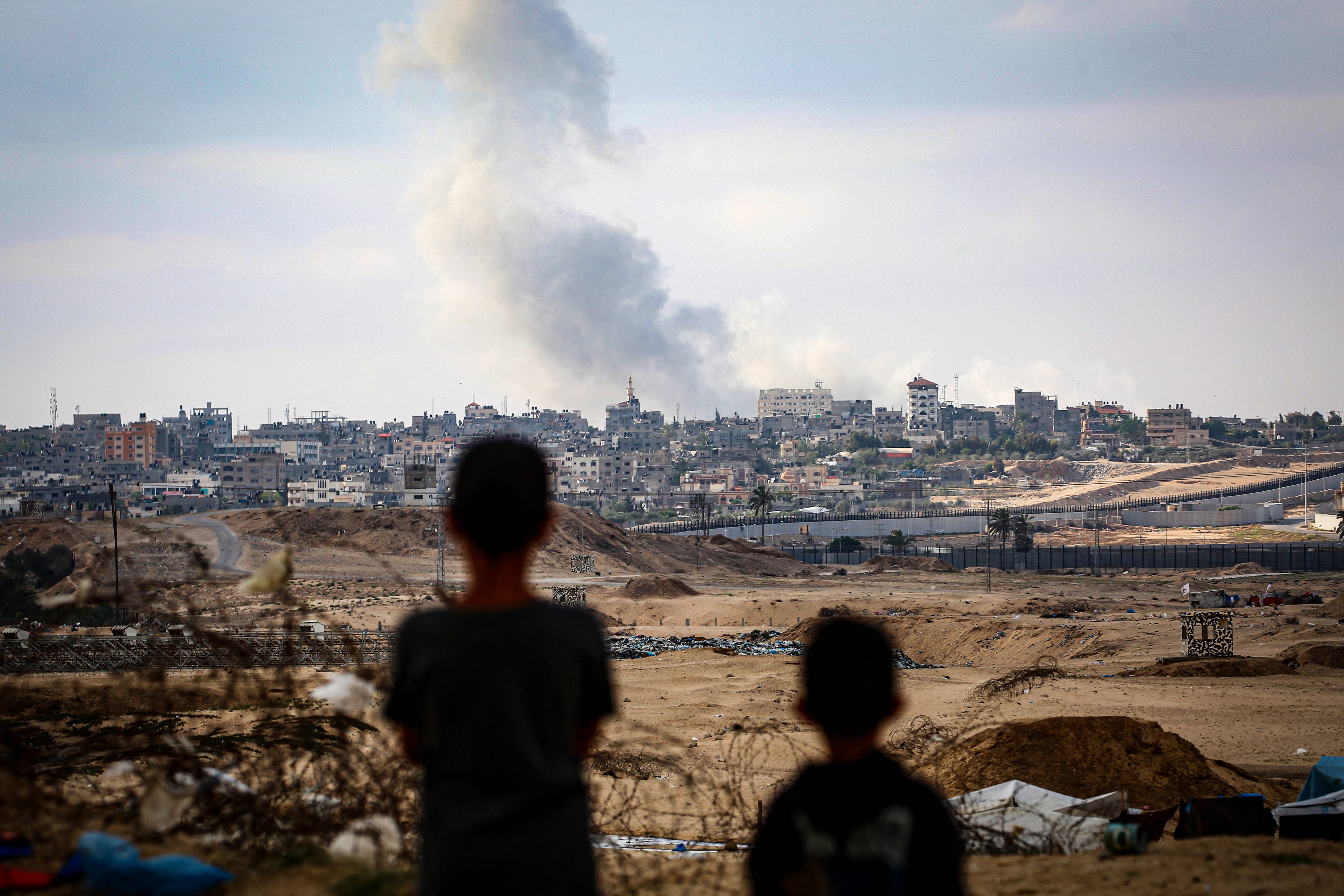
Editor’s note: Adam Makary is an Egyptian-American writer based in Cairo. An Izzy Award nominee, he has reported across the Middle East as a journalist for Reuters, Al Jazeera, CNN, and other outlets. In an essay last year for The Markaz Review, he reflected on his years at Al Jazeera, where he covered every stage of Egypt’s revolution as few others have, and the shift that came with working for Western news desks. “Each edit taught me what kind of suffering was legible, what kind of death was allowed to matter,” he wrote. “The language of power had its own syntax and I was learning to write it. Objectivity was a disguise, a costume that power wore to be impartial.”
His poem “Style Guide,” published here in Hidden Cities for the first time, was shortlisted by the literary magazine A Public Space in its 2025 Open Call.
I first met Adam in Cairo in 2006. We were soon sharing bylines as fledgling reporters at the Daily News Egypt, covering nascent street protests in Cairo and labor strikes at factories in the Nile Delta. These days, when he is not writing or teaching media writing at the American University in Cairo, Adam is out rowing on the Nile.
Style Guide

the child is never named.
the rubble is implied.
do not use words like massacre
unless sourced by three governments
that did not bleed.

say clash, say escalation, say cycle of violence
even if one side owned all the sky.

remove adjectives
unless they describe smoke.
you may call a home a compound,
a body a fatality,
a scream an incident.

quotes must be balanced:
one weeping for every denial.

never write siege.
never write occupation.
never write boy.
write unconfirmed reports.
write alleged.
write according to local sources.

when a city is erased,
lead with market reaction.
bury the child below the fold.
mention rockets. always mention rockets.

when asked to verify the names,
say: we are still waiting for comment.

when asked to name the grief,
say: we are still waiting. | A guest post by
|