


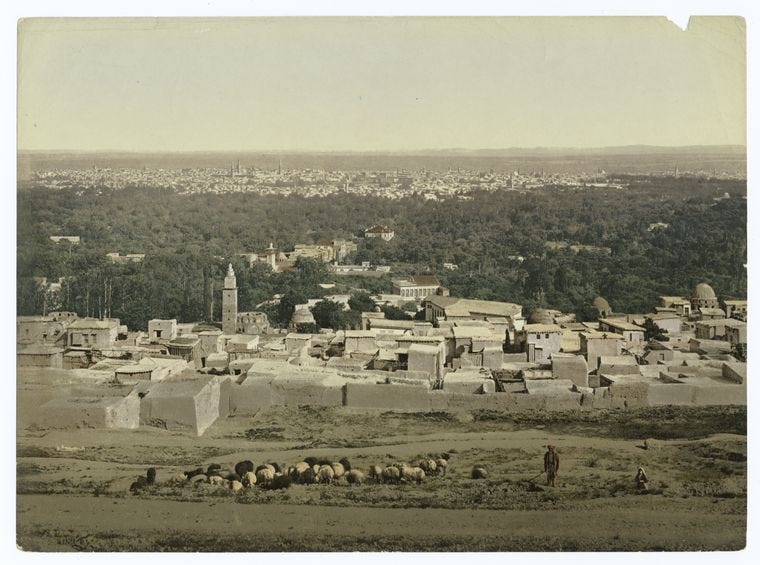
Part travelogue, part global news brief, Hidden Cities is a new magazine that illuminates the world. It takes its name from Italo Calvino’s novel Invisible Cities, inspired by its sense of wonder at the world. In Calvino’s imagined conversations between Marco Polo and Kublai Khan, the Venetian traveler regales the Mongol emperor with descriptions of 55 cities he has visited in his travels, each a fantasy with a fantastic name. It doesn’t matter that they are all, in fact, descriptions of Venice. The wonder of foreign places looms large when Marco Polo talks about travel.
In one of Calvino’s chapters on “hidden cities,” Polo tells Kublai Khan:
“Arriving at each new city, the traveler finds again a past of his he did not know: The foreignness of what you no longer are or no longer possess lies in wait for you in foreign, unpossessed places.”
Hidden Cities is committed to publishing…
