

'Both Sides of the Looking Glass,' a Poem by Adam Makary
A strike on Beirut lands in Cairo. It lands anywhere anyone is still listening.

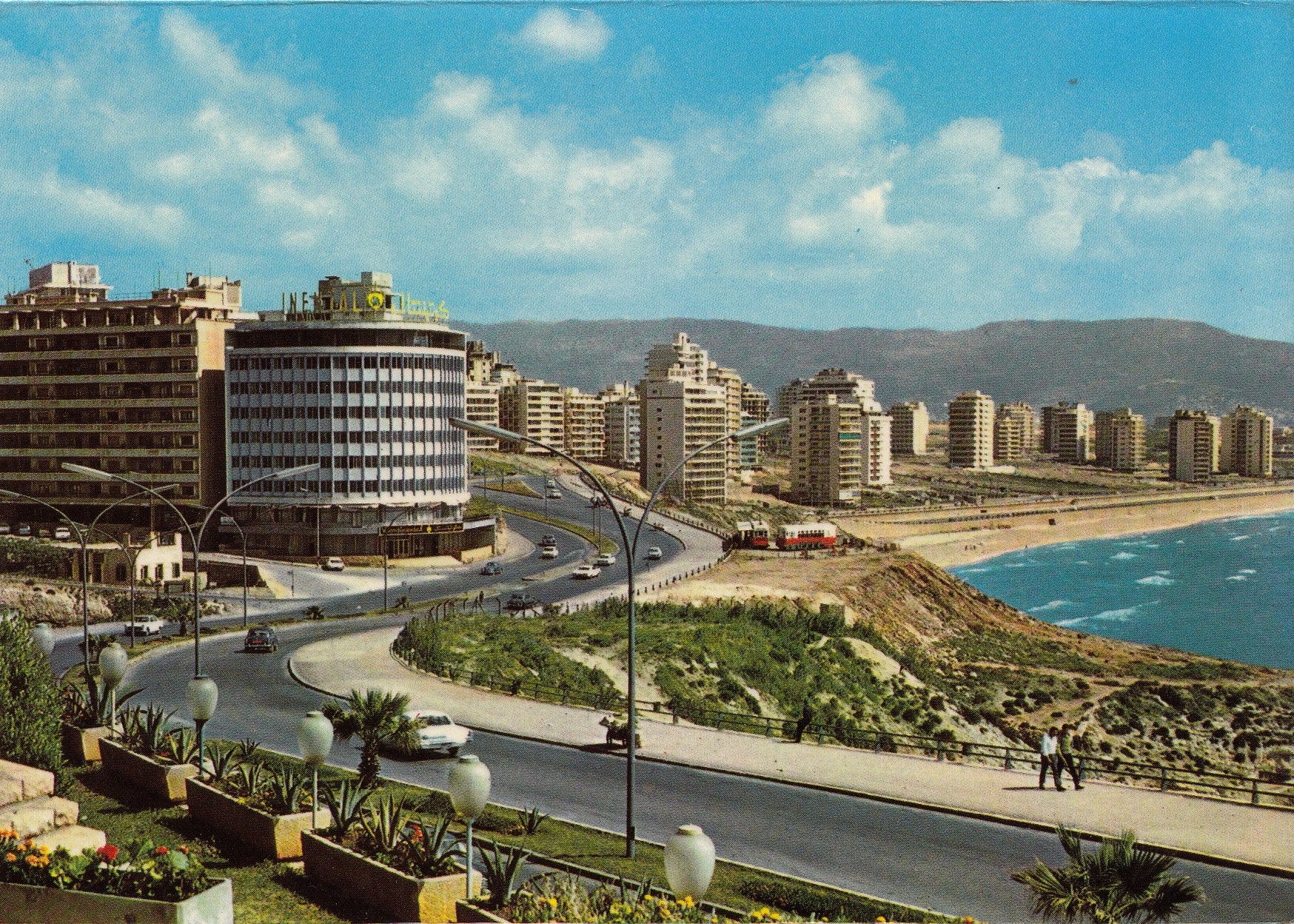
For days, the drones had been flying low over Beirut. On our calls, their buzzing was constant, a sound that never left the conversation.
My friend Ghida and I spoke through all of it. Every few hours, I would check on her, trying to measure the danger outside in small increments. Are the drones closer today? Did you get to sleep? What is the news saying now?
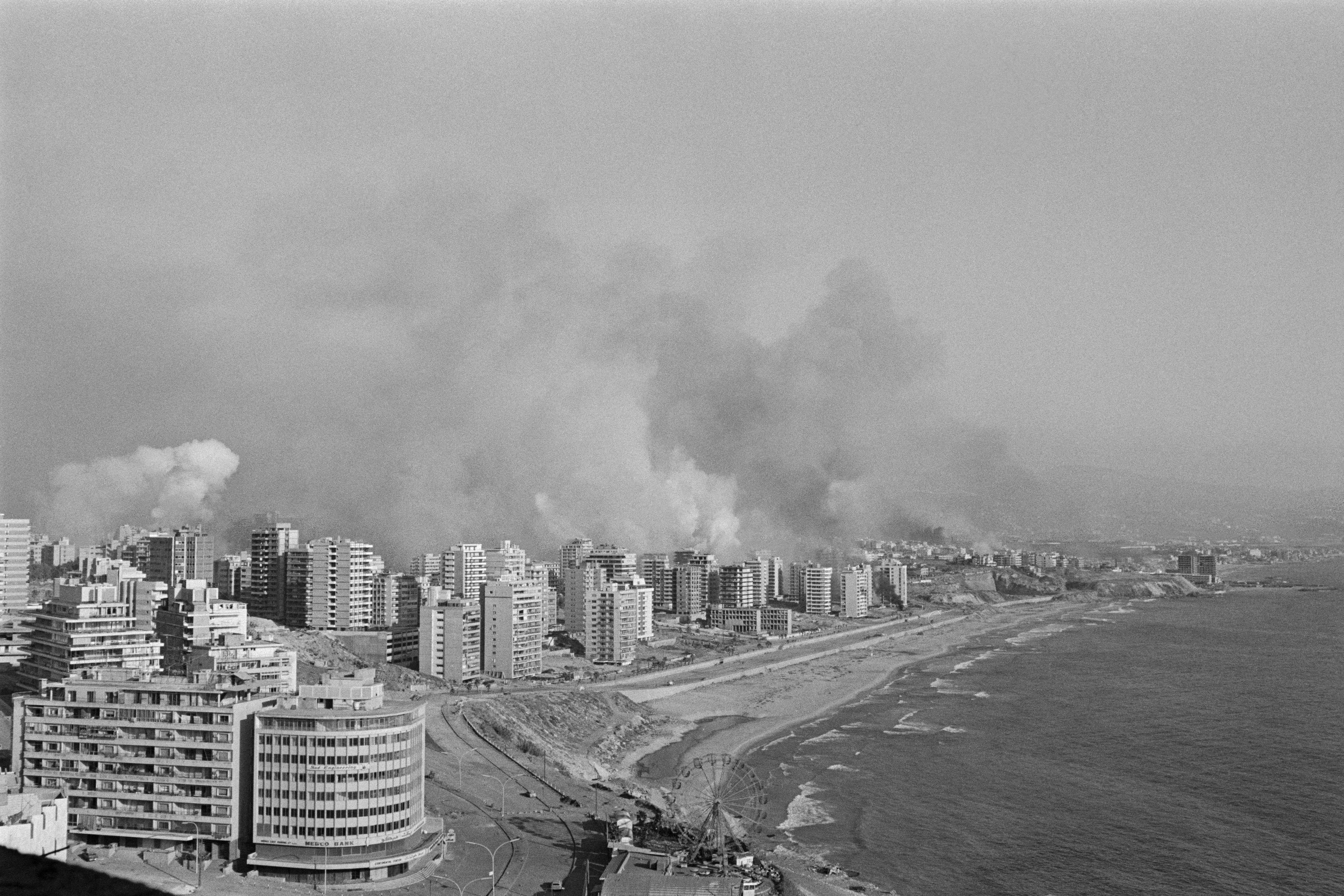
Then, a little after two in the afternoon on April 8, the strikes began. We switched to video. From Ghida’s balcony, I watched plumes of smoke rise in almost every direction. The time between explosions was about the length of a breath. A hundred strikes in ten minutes, they said. Black Wednesday.
Her mother called, and we hung up. When Ghida rang back, she told me she would be staying home. She had been planning to go to her parents’ that day, a twenty-minute walk from her apartment. We talked a little longer.
Eventually exhaustion of the day’s terror pulled me under. I woke later in the strange twilight of early evening and reached for my phone.
A strike had hit Tallat el Khayat, her parents’ neighborhood, a quiet, hilly district in central Beirut.
The Lebanese are often called resilient, but it is a strange compliment in moments like these. It asks people to endure what should never have been done to them, then praises them for enduring it.
I called Ghida. She was already on the move. A friend reached her first. It was their building.
She arrived to find the street torn open, the inside of her childhood laid bare to the air. She could not find her mother or her father. She went to eight hospitals. Nothing.
She returned to the rubble and was asked to identify her mother, Khatoun Salma, and then her father, Mohammed Krisht.
Overnight, their bodies were carried south to Tyre, the city they were from, and where they lie now.
The killing has not stopped since. Ceasefires have been announced and broken, the latest holding only on paper. Still, Ghida cannot visit her parents’ grave. The roads south are unsafe, Israel’s bombing continues, and the distance between her and her parents is no longer measured in miles.
There is a second injustice in being defined by the atrocity done to you. The Lebanese are often called resilient, but it is a strange compliment in moments like these. It asks people to endure what should never have been done to them, then praises them for enduring it.
Khatoun Salma was a poet. She found fame young and left it early, publishing two books shaped by belonging, a yearning that seeps through every page. In the poem “She and the World This Evening,” she writes of a place that “extends bridges toward a homeland aching for life,” one that “lives on at the horizon of a dream.” Reading her now, it feels as though she had been writing toward this grief all along.
The Arab world carries it in the body. The borders between us are barely a century old, drawn by foreign hands that never asked us. They never managed to cut the sense that what happens to one of us happens to all of us. A strike on Beirut lands in Cairo. It lands anywhere anyone is still listening.
Both Sides of the Looking Glass

We learned to hold two cups
before we learned to drink.

We know grief from the inside
and from the window.

We have been the one weeping
and the one who brings the coffee.

We have said we’re sorry for your loss
in the same breath we lost something.

We curse the oppressor at midnight.
We pray for them by morning.

We file the paperwork of our grief
with the global office of appeals,
begging mercy from the hand
that makes mercy necessary.

We bury and we console.
A name is born a eulogy.

We watch the news and,
we are the news.
We turn it off.
We make dinner.

There are many words for grief in Arabic.
But none for being a guest in your own.

We watch the house burn
the way you watch a house burn
when you might know someone inside.
You can’t look away,
and you can’t go in.

The anchor says the region.
We used to live in the region.
We still do.
We have never left.
We have never stopped mourning.
We have never started. |
|